
Opening a bank account in Korea is one of the first practical hurdles after you land, and it trips up more people than the paperwork suggests it should. Some branches are strict, some are flexible, and the difference often comes down to what you bring on day one.
Here are the five mistakes we see most often, and how to avoid them. This pairs well with our guides on the alien registration card and red flags when renting in Seoul, since housing and banking usually happen in the same first few weeks.
Table of Contents
What You Generally Need to Open a Bank Account in Korea
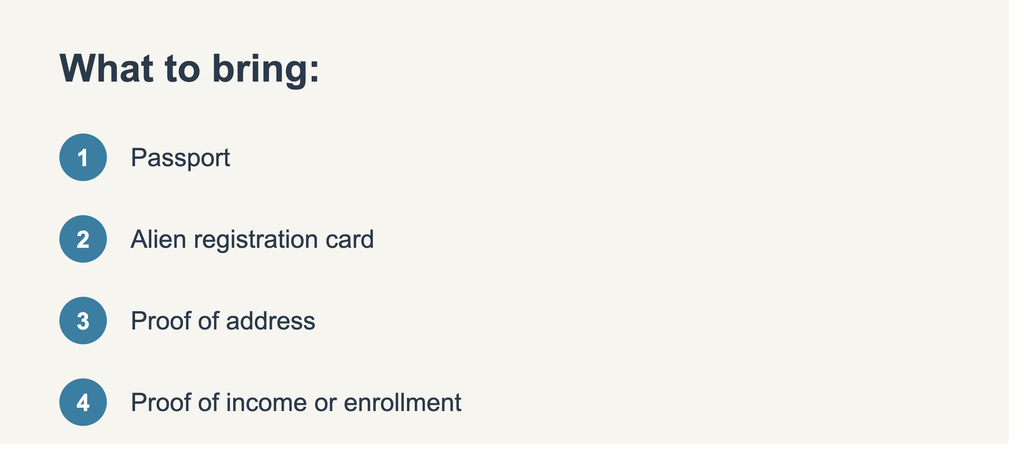
Most banks ask for your passport, your alien registration card, proof of address, and sometimes proof of income or enrollment (a work contract, an acceptance letter, or similar). Requirements vary by branch and by your visa type, so confirm with the specific bank before you go, ideally by phone or through the Financial Supervisory Service if you want a general overview of consumer protections.
1. Trying to Open an Account Before Your ARC Arrives
Many banks won’t open a full account without your alien registration card in hand, and some won’t even accept the receipt showing your application is in process. If banking is urgent, ask your branch what’s possible in the interim, but don’t count on it. This is one more reason to start your ARC application the moment you arrive, as we cover in our alien registration card guide.
2. Picking a Branch at Random
Not every branch handles foreign accounts the same way. Some staff are more experienced with foreign documents, and some branches near universities or business districts see far more foreign customers and move faster as a result. Ask your employer, school, or agent which branch they recommend before you show up somewhere unfamiliar.
3. Skipping the Phone Registration Step
A Korean phone number is often required to activate mobile banking and to receive one-time passcodes for transfers. If you haven’t set up a phone plan yet, your account may work in a limited way at the counter but not for online banking. Sequence this before you rely on the account for rent or deposits, especially if a landlord expects a transfer for your Jeonse or Wolse payment.
4. Assuming Every Branch Speaks English
Some branches in major cities have English-speaking staff or dedicated foreigner desks; many do not. Calling ahead to confirm, or bringing someone who can translate key terms, saves a wasted trip. A written list of what you’re opening the account for (rent, salary deposit, daily use) also helps the conversation move faster.
5. Not Asking About Transfer and Withdrawal Limits
New accounts, especially those opened by foreign nationals, sometimes come with lower daily transfer or ATM withdrawal limits as a fraud-prevention measure. If you’ll need to send a large deposit soon after opening a bank account in Korea, ask about these limits and how to raise them before the day you actually need to send the money.
The Bottom Line on Opening a Bank Account in Korea
None of this is complicated once you know the order: get your alien registration card, pick the right branch, set up your phone, and confirm your limits before you need them. The trouble is that these pieces sit across immigration, telecom, and banking, and missing one step delays the rest.
If you’re planning a move and want help sequencing your ARC, lease, and banking together, reach out through our Contact Us page with your target move-in date. Happy to walk you through the order that works.